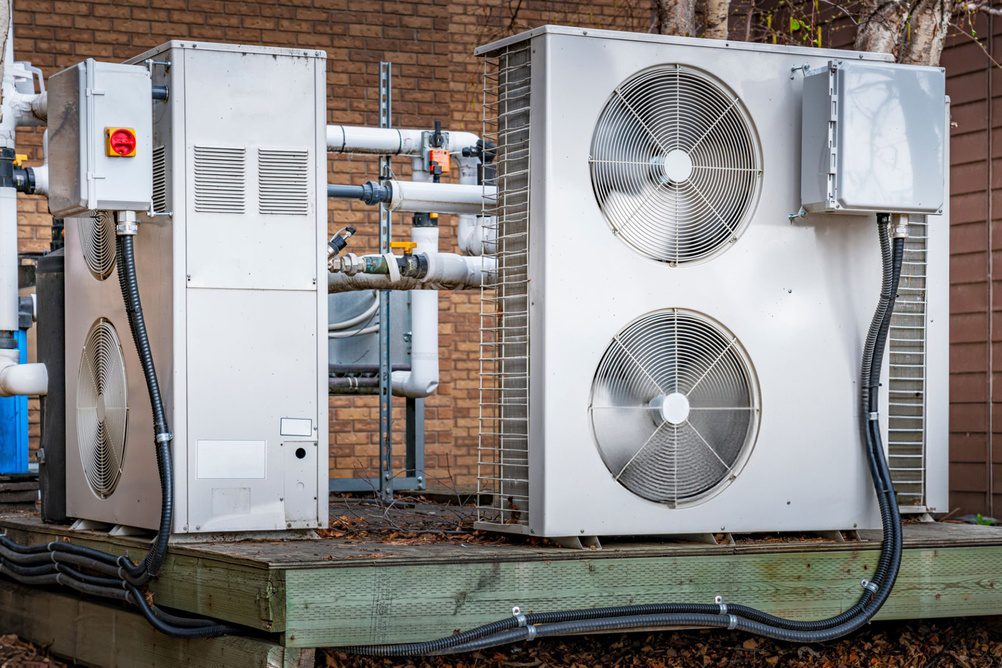
When choosing a heating and cooling system, bigger does not necessarily mean better. An oversized HVAC system may seem like a good investment because it has more capacity to heat or cool a home, but that extra capacity can create problems with comfort, efficiency, and equipment performance. Instead of maintaining a consistent indoor temperature, an improperly sized system may turn on and off frequently, struggle with humidity control, and consume more energy than necessary.
The issue often comes down to how the equipment matches the home’s actual heating and cooling requirements. Factors such as square footage, insulation, ceiling height, windows, and air leakage all influence how much capacity a property needs.
1. Frequent Starting and Stopping
One of the most common consequences of an oversized HVAC system is short cycling. This happens when the equipment reaches the thermostat’s target temperature too quickly and shuts off before completing a normal operating cycle.
Because the system has more capacity than the home requires, it may repeatedly start, run briefly, and shut down. These frequent cycles prevent the equipment from operating as consistently as it should.
Short cycling can also make it harder to maintain stable indoor temperatures. Some areas may feel comfortable immediately after the system runs, while others may become warmer or cooler before the next cycle begins. Over time, this pattern can place additional strain on components such as the compressor, blower motor, and electrical controls.
2. Higher Energy Bills
An oversized system can use more energy than necessary, particularly when it repeatedly starts and stops. Starting an HVAC system requires energy, and frequent cycling can reduce the overall efficiency of its operation.
Although a larger unit may have the ability to heat or cool a space quickly, that does not automatically translate into lower utility costs. The system still needs to operate in a way that matches the home’s actual demand.
Homeowners may notice higher energy bills even when the equipment appears to be cooling or heating the property without difficulty. This is one reason why comparing equipment based solely on capacity or advertised power can be misleading.
3. Poor Humidity Control
Air conditioning does more than lower indoor temperatures. It also removes moisture from the air as warm indoor air passes over the system’s evaporator coil.
When an air conditioner is oversized, it may cool the home so quickly that it shuts down before removing enough moisture. The thermostat may register the desired temperature, but the indoor air can still feel damp or uncomfortable.
This can be especially noticeable during humid weather. Rooms may feel cool but clammy, and homeowners may find themselves lowering the thermostat further in an attempt to improve comfort. However, doing so does not necessarily address the underlying humidity problem.
4. Uneven Temperatures Throughout the Home
An oversized system does not always distribute conditioned air evenly. Because it completes its cycles quickly, certain rooms may receive more heating or cooling than others, depending on their location and the layout of the ductwork.
For example, rooms near supply vents may become noticeably cooler during air conditioning operation, while distant bedrooms or areas with greater heat exposure may remain uncomfortable. The same issue can occur during heating cycles when some areas warm up faster than others.
Uneven temperatures can also be influenced by insulation, duct leakage, airflow restrictions, and window placement. An oversized unit may contribute to the problem, but it is important to consider the entire HVAC system before assuming equipment capacity is the only cause.
5. Increased Wear and Tear on Components
HVAC equipment is designed to operate through regular heating and cooling cycles. When a system starts and stops more frequently than necessary, its components experience additional operating stress.
The compressor, motors, relays, and other electrical components may be subjected to repeated startup demands. Over time, this can contribute to premature wear and increase the likelihood of repair needs.
Frequent cycling does not guarantee that a system will fail early, but it can create operating conditions that are less favorable for long-term equipment performance. Regular maintenance may help identify developing problems, although it cannot correct an underlying sizing mismatch.
6. Reduced Equipment Lifespan
An HVAC system that repeatedly cycles may experience more stress than equipment operating under properly matched conditions. This can affect important components and potentially shorten the useful life of the system.
The impact depends on several factors, including equipment quality, installation, maintenance history, and how frequently the system operates. A properly maintained unit may continue working for years, but ongoing short cycling can create unnecessary strain.
This is particularly important for homeowners considering a replacement. Choosing another oversized unit without addressing the original sizing problem could result in similar performance issues with the new equipment.
Signs Your HVAC System May Be Too Large
Not every comfort problem indicates an oversized system. However, several symptoms can suggest that the equipment’s capacity does not match the home’s requirements.
- The system turns on and off frequently.
- Indoor temperatures change noticeably between cycles.
- The air feels humid even when the home is cool.
- Energy bills seem unusually high for the amount of heating or cooling used.
- Some rooms become comfortable much faster than others.
- The system runs in short bursts rather than longer, consistent cycles.
- Equipment components require frequent repairs.
These symptoms can also be associated with thermostat problems, restricted airflow, ductwork issues, or other mechanical concerns. Looking at the system’s operating behavior alongside the home’s layout and equipment specifications can help narrow down the cause.
Why Proper HVAC System Sizing Matters
Choosing the right equipment involves more than matching a unit to the home’s square footage. A property’s heating and cooling requirements depend on several conditions that influence how quickly it gains or loses heat.
Insulation quality, window size and orientation, ceiling height, air leakage, occupancy, and local climate all affect the amount of heating or cooling needed. Two homes with similar square footage may require different equipment capacities because their construction and exposure are different.
Proper HVAC system sizing helps ensure that equipment can meet the home’s heating and cooling demands without being unnecessarily powerful. This supports more consistent operation, better temperature control, and improved overall comfort.
A professional load calculation can help determine the appropriate capacity. This process evaluates the property’s characteristics instead of relying on general square-footage estimates or simply replacing an existing unit with one of the same size.
Can an Oversized HVAC System Be Fixed?
The appropriate solution depends on the equipment, the installation, and the symptoms affecting the home. In some situations, adjustments to airflow, thermostat settings, or system controls may improve performance. However, these changes cannot always compensate for a significant difference between equipment capacity and the home’s actual needs.
An HVAC evaluation can help determine whether short cycling is caused by oversized equipment or another issue. Ductwork restrictions, thermostat placement, refrigerant problems, and other mechanical conditions can produce similar symptoms.
If the system is substantially oversized, replacement with properly sized equipment may be the more practical long-term solution, particularly when the existing unit is aging or experiencing repeated problems.
Frequently Asked Questions About Oversized HVAC Systems
Does an Oversized HVAC System Use More Electricity?
It can. Frequent starting and stopping may reduce operating efficiency and increase energy consumption. Actual usage depends on the equipment, home conditions, thermostat settings, and operating patterns.
Can an Oversized Air Conditioner Cause High Humidity?
Yes. An oversized air conditioner may cool a home too quickly and shut off before removing sufficient moisture from the indoor air. This can leave rooms feeling cool but damp, especially during humid weather.
Is a Bigger HVAC System Better for a Larger Home?
Not necessarily. Larger homes generally require more heating and cooling capacity, but the correct equipment depends on more than square footage. Insulation, windows, ceiling height, air leakage, and other building characteristics all influence the required capacity.
Should I Replace an Oversized HVAC System?
Replacement may be worth considering if the equipment is significantly oversized and continues to cause comfort or efficiency problems. Before making that decision, the system should be evaluated to rule out other issues and determine the home’s actual heating and cooling requirements.
Get the Right HVAC Solution With Mac Plumbing, Heating & Air
If your HVAC system cycles frequently, struggles with humidity, or creates inconsistent temperatures, the equipment may not be properly matched to your home’s needs. Mac Plumbing, Heating & Air provides residential heating and cooling inspections, repairs, tune-ups, and installations throughout Clarksville and Montgomery County. Serving the community since 1991, the locally owned and operated company is licensed and insured. Let Mac Plumbing, Heating & Air help identify the cause of your comfort problems and determine the right solution for your home.
Contact us today to schedule an HVAC evaluation and find out whether your system is properly sized for your home’s heating and cooling needs.