Septic Tank Services
Professional Septic Tank Pumping, Cleaning & Maintenance
If your home relies on a septic system, routine maintenance is an important part of keeping it working properly. Septic problems can develop slowly, and issues such as backups, slow drains, odors, or wet areas around the drain field may be signs that the system needs attention.
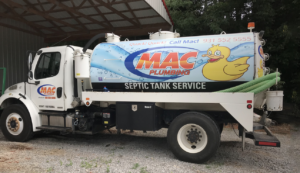
Mac Plumbing Heating & Air provides septic tank pumping, cleaning, inspections, and routine maintenance. Our technicians can evaluate how the system is operating, check for signs of leaks or backups, review scum and sludge levels, and help determine when the tank should be pumped.
If you are not sure when your septic tank was last inspected or pumped, scheduling professional service can give you a better understanding of its current condition and maintenance needs.
Septic Tank Pumping and Cleaning
Over time, solids collect inside a septic tank. If too much material builds up, solids may leave the tank and reach the drain field. Regular septic tank pumping removes this buildup and helps reduce unnecessary strain on the rest of the system.
The right pumping schedule depends on factors such as the size of the septic tank, the number of people in the household, and household water use. In general, septic tanks should be pumped every 3 to 5 years. Mac Plumbing Heating & Air can inspect the tank and recommend a maintenance schedule based on the system and household.
Routine septic tank cleaning and pumping can also provide an opportunity to identify visible problems before they contribute to backups or drain field issues.
Septic System Inspections
A septic inspection helps determine how the system is operating and can uncover signs that maintenance or repair may be needed. Mac’s technicians inspect septic systems for proper operation and look for leaks, backup problems, and other visible concerns.
What We Check During a Septic Inspection
During service, our technicians can check the scum and sludge layers inside the tank and assess conditions that may affect system performance. This information can also help determine when pumping should be scheduled.
If a septic system contains mechanical or electrical components, those components should be inspected annually. Regular inspections are also useful for homeowners who do not know when the system was last serviced.
Signs Your Septic Tank May Need Service
Septic problems do not always begin with a complete backup. Changes in the plumbing or around the drain field can provide earlier warning that the system needs attention.
Common Septic Warning Signs
- Slow-draining sinks, tubs, showers, or other plumbing fixtures
- Plumbing or septic tank backups
- Gurgling sounds coming from the plumbing system
- Sewage or septic odors inside or outside the home
- Wet or unusually soggy areas around the drain field
- Surfacing sewage near the septic system
- Unusually lush or fast-growing grass around the drain field
If you notice any of these signs of a septic problem, it is best to have the system checked instead of waiting for the problem to become more disruptive.
A warning sign does not always mean that the entire septic system has failed. For example, standing water or a sewage odor between the septic tank and drain field may be related to a damaged or broken pipe. A professional inspection can help determine what is causing the problem.
What Causes Septic System Problems?
Several parts of a septic system need to work together to manage household wastewater. Problems can develop when the tank is not pumped regularly, when components stop working properly, or when the natural balance inside the tank is disrupted.
Bacteria and Enzyme Imbalances
Bacteria and enzymes inside the septic tank help break down waste. Harsh cleaning chemicals can interfere with this process by killing beneficial bacteria and upsetting the balance inside the tank.
Pump, Filter and Aerator Problems
Mechanical components can also cause trouble when they stop operating correctly. Problems with pumps, filters, or aerators may allow sludge to escape from the tank. This can send excess solids toward the drain field and place additional strain on the system.
If your septic system includes mechanical or electrical equipment, regular inspections are especially important for identifying component problems before they affect other parts of the system.
How to Help Protect Your Septic System
Routine professional service is important, but everyday household habits also affect septic system performance. A few practical steps can help reduce unnecessary strain between pumping and inspection visits.
Keep Up With Septic Pumping
Do not wait for a backup to decide that the tank needs pumping. Regular pumping helps prevent accumulated solids from moving out of the septic tank and into the drain field.
Use Water Wisely
Water conservation can reduce the amount of wastewater the septic system needs to process. The less wastewater produced by the household, the less demand placed on the tank and drain field.
Be Careful With Harsh Chemicals
Avoid excessive use of harsh cleaning chemicals that can disrupt the bacteria and enzymes inside the septic tank. Maintaining that natural balance helps the system process waste properly.
Schedule Routine Inspections
Regular inspections can help identify leaks, backups, excessive buildup, and component problems. If you cannot remember the last time the septic system was inspected or pumped, it may be time to schedule service.
Septic Tank Service FAQs
How often should a septic tank be pumped?
A septic tank generally should be pumped every 3 to 5 years. However, the appropriate schedule depends on factors such as tank size and household water use. Mac Plumbing Heating & Air can inspect the system and recommend a pumping schedule based on those conditions.
How do I know if my septic tank is full?
Slow drains, gurgling plumbing, backups, sewage odors, wet areas, or unusual growth around the drain field can indicate that the septic system needs attention. These symptoms can have different causes, so an inspection is the best way to determine what is happening.
How often should a septic system be inspected?
Routine inspections help identify developing problems and maintenance needs. If the system has mechanical or electrical components, it should be inspected annually.
What does Mac check during a septic inspection?
Mac’s technicians can inspect the septic system for proper operation, look for leaks or backup problems, and check the scum and sludge layers inside the tank. The findings can also help determine an appropriate pumping schedule.
Can harsh cleaning products affect a septic tank?
Yes. Harsh cleaning chemicals can kill bacteria and enzymes that play an important role in breaking down waste inside the septic tank. This can upset the balance of the system and contribute to septic problems.
Does a sewage odor always mean the septic system has failed?
No. A sewage odor or standing water can have several possible causes. For example, a damaged pipe between the septic tank and drain field may create similar symptoms. Having the system inspected can help identify the source of the problem.
Septic Problems Are Easier to Address Before They Become Backups
Routine pumping, cleaning, and inspections can help keep your septic system working properly and reduce the risk of avoidable problems. If it has been several years since your last service or your system is showing warning signs, contact Mac Plumbing Heating & Air.
Septic Tank Services Throughout Clarksville and the Surrounding Areas
MAC Plumbing provides professional septic tank services throughout Clarksville and the surrounding communities. Whether you need routine septic maintenance, pumping, repairs, or help diagnosing a septic system problem, our team is ready to help keep your system working properly.
We provide septic tank services in Clarksville and nearby communities including Sango, St. Bethlehem, Woodlawn, Cunningham, Palmyra, and Southside.
Our service area also extends to Ashland City, Pleasant View, Chapmansboro, New Providence, Adams, and Fredonia.
If you’re experiencing septic problems or it’s time for routine service, contact MAC Plumbing to schedule septic tank service in your area.