
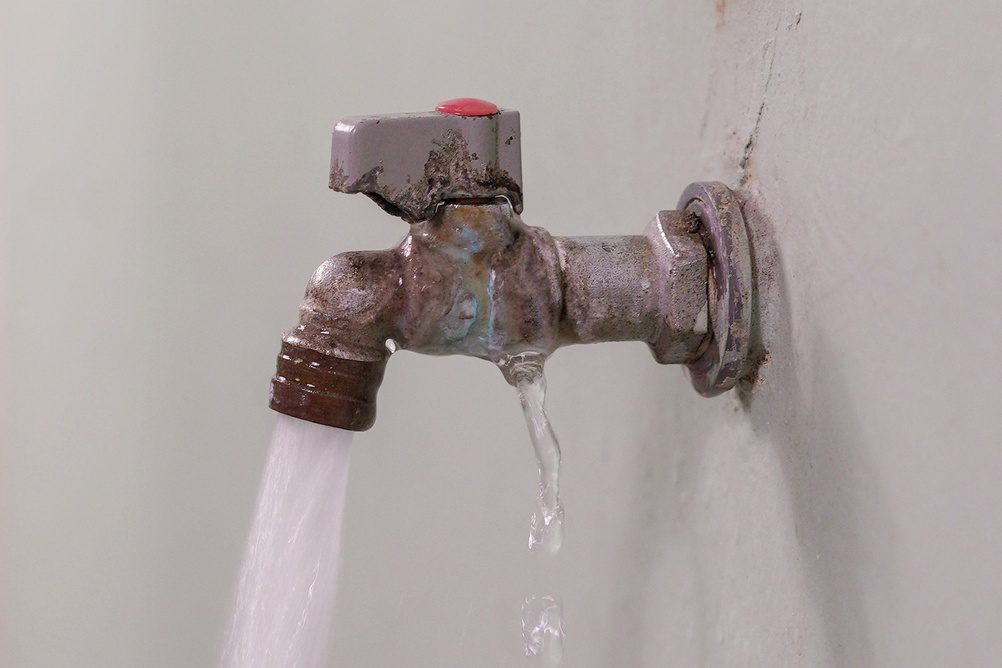
A dripping pipe beneath a sink or a small wet spot near a plumbing connection may not seem like an urgent problem. However, even a slow leak can cause significant damage when water continues escaping over days, weeks, or months. Small plumbing leaks can gradually weaken building materials, damage flooring, encourage mold growth, and create expensive repair needs if they go unnoticed.
The challenge is that not every leak is easy to spot. Water can travel behind walls, beneath floors, through ceilings, and around plumbing connections before visible signs appear. Understanding how leaks develop, where they commonly occur, and what warning signs to watch for can help homeowners address plumbing problems before they affect larger areas of the property.
Why Small Plumbing Leaks Can Become Serious Problems
Water damage does not always happen immediately. A burst pipe can release a large amount of water in a short period, but a slow leak creates a different type of risk. Because the water escapes gradually, it may remain unnoticed while continuously soaking nearby materials.
Drywall, wood framing, insulation, flooring, and cabinetry can absorb moisture over time. Once these materials become saturated, they may begin to deteriorate, lose structural strength, or develop visible discoloration. Even when the leak itself seems minor, the affected area can continue expanding.
Another concern is that water does not necessarily remain where it first escapes. It can follow pipes, move along floor joists, collect in low areas, or travel through small openings in walls. By the time a homeowner notices a stain or damp surface, the actual leak may be located somewhere else.
1. Water Gradually Weakens Walls and Ceilings
Pipes running behind walls and above ceilings can develop small leaks at joints, fittings, or damaged sections. When water repeatedly contacts drywall and surrounding materials, the moisture can gradually break down their structure.
Drywall may become soft, swollen, discolored, or begin to crumble. Paint can bubble or peel as moisture collects beneath the surface. In ceilings, prolonged exposure can create sagging areas that may eventually require sections of the material to be removed and replaced.
These signs should not be treated as cosmetic problems alone. Painting over a water stain or patching damaged drywall without addressing the plumbing source only hides the visible evidence. If the leak continues, the same area may deteriorate again.
2. Flooring and Subfloors Can Deteriorate
Leaks beneath sinks, dishwashers, washing machines, toilets, and other plumbing fixtures can allow water to spread across or beneath flooring. Depending on the material, moisture may cause wood to swell, laminate to separate, tiles to loosen, or adhesives to weaken.
The subfloor underneath can also absorb water, even when the visible flooring appears relatively unaffected. Prolonged moisture exposure may cause wooden subfloors to soften, warp, or lose their ability to support the flooring above them.
This damage can be particularly difficult to recognize because the affected area may remain concealed. A floor that feels unusually soft, develops a musty smell, or begins to buckle may indicate that moisture has been accumulating underneath.
3. Persistent Moisture Encourages Mold Growth
Moisture creates conditions that allow mold to develop, particularly when affected materials remain damp and ventilation is limited. A slow plumbing leak can provide a continuing source of moisture behind walls, beneath cabinets, or around bathroom fixtures.
Mold may develop before a homeowner realizes there is a plumbing problem. Musty odors, dark spots, and discoloration can be warning signs, although not every instance of discoloration indicates mold.
Cleaning visible surfaces does not address moisture trapped inside building materials. The plumbing leak must be repaired, and affected areas may need proper drying and remediation depending on the extent of the damage.
4. Wooden Structures Can Lose Strength
Wood is especially vulnerable to prolonged moisture exposure. Floor joists, wall framing, support structures, and cabinetry can absorb water from nearby plumbing leaks.
As moisture continues to collect, wood may swell, warp, soften, and eventually begin to deteriorate. In severe cases, prolonged water exposure can contribute to wood decay and compromise the condition of affected building components.
This is one reason leaks inside walls or beneath floors deserve attention even when they do not produce large puddles. The surrounding structure may be absorbing water long before the damage becomes visible from the living space.
5. Water Bills Can Increase Without an Obvious Explanation
A small leak may release only a limited amount of water at a time, but continuous dripping can add up. A damaged supply line or leaking connection may allow water to escape even when household fixtures are not being used.
Homeowners may notice an unexplained increase in their water bills without seeing obvious signs of moisture around the property. If the increase continues, it may indicate a leak somewhere within the plumbing system.
Monitoring water usage can provide an early warning. If all faucets and water-using appliances are turned off but the water meter continues moving, there may be an ongoing leak that needs further investigation.
6. Electrical Components May Be Exposed to Moisture
Water leaks near electrical outlets, wiring, light fixtures, appliances, or electrical panels can create additional safety concerns. Moisture can interfere with electrical components and increase the risk of short circuits or other electrical hazards.
This is particularly concerning when plumbing lines run through walls or ceilings containing electrical wiring. Water may travel beyond the original leak location and reach components that homeowners cannot easily see.
If water is near electrical equipment or outlets, avoid touching wet components or attempting to investigate the area yourself. Keep away from the affected space and have the electrical hazard assessed safely.
Common Signs of a Plumbing Leak You Should Not Ignore
Not every plumbing leak produces an obvious drip or puddle. Some develop in concealed areas, making it important to recognize indirect signs that water may be escaping somewhere within the system.
Watch for these warning signs:
- Unexpected increases in monthly water bills
- Damp spots on walls, ceilings, or floors
- Paint that bubbles, peels, or discolors
- Musty odors around cabinets or enclosed spaces
- Water stains appearing beneath bathrooms or plumbing fixtures
- Reduced water pressure without an obvious explanation
- Sounds of dripping or running water when fixtures are off
- Flooring that begins to warp, buckle, or feel soft
- Unexplained moisture around pipe connections
A single sign does not always confirm a plumbing leak. However, when several appear together or continue getting worse, investigating the plumbing system can help prevent further damage.
Where Small Plumbing Leaks Commonly Develop
Many leaks begin around connections and components that experience regular water pressure, movement, or wear. Under-sink plumbing is a common example because supply lines, drain connections, shutoff valves, and faucet components are used frequently.
Other vulnerable areas include water heater connections, washing machine hoses, dishwasher supply lines, toilet connections, shower plumbing, and pipes running through walls or beneath floors. Older plumbing may also develop leaks as materials deteriorate or fittings become loose.
Regularly checking accessible plumbing areas can help identify problems earlier. Look beneath sinks, around appliance connections, near water heaters, and around visible pipe joints. Pay attention to moisture, corrosion, mineral deposits, and changes in the surrounding materials.
What Should You Do When You Discover a Leak?
The first priority is to stop or limit the water flow when it is safe to do so. If the leak comes from a fixture or appliance with an accessible shutoff valve, closing that valve may prevent additional water from escaping. For larger or unidentified leaks, shutting off the home’s main water supply may be necessary.
Once the water flow is controlled, remove standing water where it is safe and practical. Keep belongings away from wet areas and avoid covering damp materials, since trapped moisture can delay drying.
Do not assume the problem is resolved simply because visible water has been removed. The source of the leak still needs to be identified and repaired, and materials affected by prolonged moisture may require further attention.
Why Professional Leak Detection Matters
Some plumbing leaks are straightforward to locate, while others occur in concealed sections of the plumbing system. A visible water stain may appear several feet away from the actual source because water can travel along structural materials before becoming noticeable.
Leak detection helps narrow down where water is escaping so the appropriate repair can be made. Depending on the situation, an inspection may involve examining accessible plumbing connections, checking water usage, or using diagnostic equipment to investigate less accessible areas.
Finding the source matters because repairing only the visible damage does not prevent additional water from escaping. A proper repair addresses the plumbing problem itself, while any resulting building damage can then be evaluated separately.
Frequently Asked Questions About Plumbing Leaks
Can a Small Plumbing Leak Cause Structural Damage?
Yes. Prolonged moisture exposure can weaken wooden framing, subfloors, drywall, and other building materials. The extent of the damage depends on how much water escapes, how long the leak continues, and which materials are affected.
How Can I Tell If a Leak Is Behind a Wall?
Possible warning signs include unexplained water stains, peeling paint, soft drywall, musty odors, and sounds of running water when fixtures are not being used. These symptoms can help identify a potential problem, but locating the exact source may require further inspection.
Should I Repair a Leaking Pipe Immediately?
Yes. Even a slow leak can continue damaging nearby materials and wasting water. Addressing the problem promptly helps limit the amount of moisture entering the surrounding area and reduces the likelihood of more extensive repairs.
Can a Plumbing Leak Increase My Water Bill?
Yes. Water escaping from supply pipes or connections can increase household water consumption even when the leak is not visible. Monitoring your water meter and comparing monthly usage can help identify unusual changes that may indicate a plumbing problem.
Does Fixing the Pipe Also Repair the Water Damage?
No. Repairing the pipe stops the source of the moisture, but it does not automatically restore materials that have already been damaged. Wet drywall, flooring, insulation, and structural components may require drying, cleaning, or replacement depending on their condition.
Protect Your Home From Plumbing Leaks With Mac Plumbing Heating & Air
A small leak can eventually become a major repair when water continues damaging concealed areas of your home. If you notice unexplained moisture, rising water bills, or signs of damaged plumbing, Mac Plumbing Heating & Air can help locate the source and provide the necessary plumbing repairs. Serving Clarksville and surrounding communities since 1991, Mac Plumbing Heating & Air is locally owned and operated, licensed, and insured.
Contact us today to have your plumbing checked and prevent a minor leak from becoming a much larger problem.