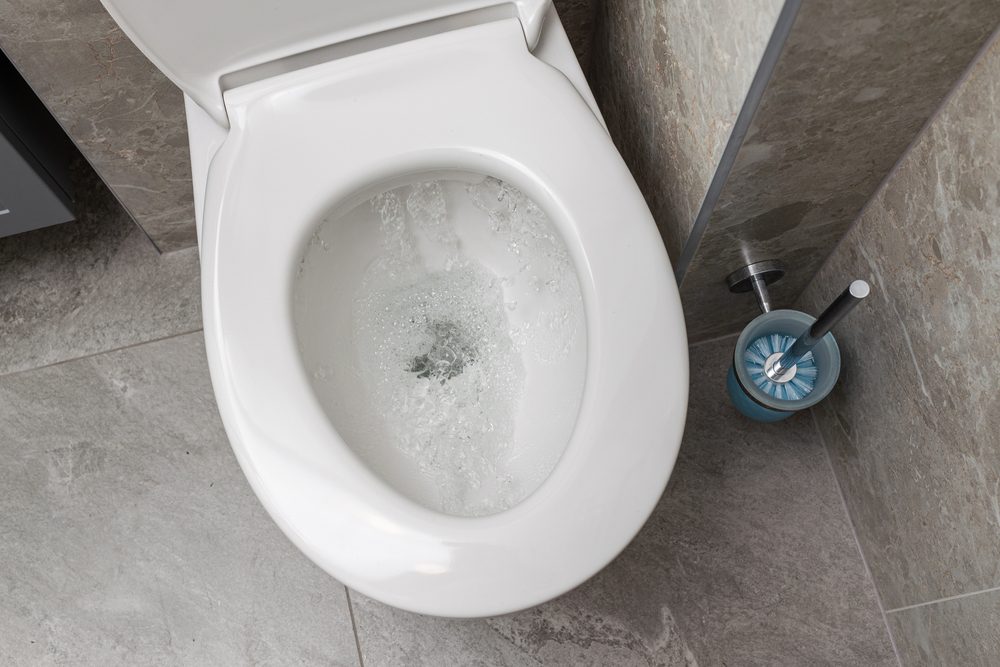
A toilet that continues running long after it’s been flushed may seem like a small annoyance, but it can quietly waste hundreds of gallons of water over time. Beyond the constant sound of running water, the problem often leads to higher utility bills and may signal that one or more components inside the toilet are beginning to fail.
The good news is that a running toilet is usually caused by a handful of common issues. Some are simple enough to identify, while others require a closer inspection to determine whether repairs or replacement parts are needed. Understanding the possible causes can help homeowners respond before a minor problem turns into unnecessary water waste or additional plumbing concerns.
How a Toilet Stops Running
To understand why a toilet keeps running, it helps to know what happens after each flush.
When the handle is pressed, the flapper lifts and allows water to leave the tank and enter the bowl. As the tank empties, the fill valve begins refilling it with fresh water. Once the tank reaches the proper water level, the float rises and signals the fill valve to stop.
If any part of this process fails to work correctly, water continues flowing into or out of the tank, creating the familiar sound of a continuously running toilet.
Although the system is relatively simple, several components must work together correctly for the toilet to shut off as intended.
A Worn Flapper Is the Most Common Cause
The flapper is one of the most frequently replaced toilet components.
Made from rubber or similar materials, it creates a seal at the bottom of the tank after each flush. Over time, the flapper naturally wears out due to age, constant exposure to water, and mineral deposits.
When the seal is no longer tight, water slowly leaks from the tank into the bowl. As the water level drops, the fill valve turns on repeatedly to refill the tank, creating an endless cycle.
Signs of a worn flapper include:
- The toilet periodically refills without being flushed.
- You hear water running every few minutes.
- The tank never seems to stay completely full.
Fortunately, flappers are relatively inexpensive, but choosing the correct replacement and ensuring a proper seal is important for long-term performance.
Problems With the Fill Valve
The fill valve controls the flow of water back into the tank after every flush.
Like any mechanical component, it can wear out over time. Mineral buildup, debris, or internal damage may prevent the valve from shutting off completely.
When this happens, water continues entering the tank even after the proper water level has been reached.
In some cases, homeowners may hear a constant hissing sound. In others, the toilet may run intermittently as the valve struggles to regulate the water level consistently.
Because fill valves experience regular daily use, they are another common source of toilet problems, especially in older bathrooms.
The Float May Need Adjustment
The float works together with the fill valve to determine when the tank has enough water.
If the float is set too high, the tank continues filling beyond the intended level. Excess water then flows into the overflow tube instead of stopping, causing the toilet to run continuously.
Fortunately, this is often one of the simpler problems to correct. Depending on the toilet’s design, adjusting the float may require only a small screw adjustment or repositioning the float arm.
However, if the float itself has become damaged or waterlogged, replacement may be necessary instead of adjustment.
The Chain Could Be Preventing the Flapper From Closing
Another surprisingly common issue involves the chain connecting the flush handle to the flapper.
If the chain is too short, it can prevent the flapper from sitting flat against its seat after flushing. Even a slight gap allows water to escape from the tank.
On the other hand, an overly long chain may become tangled beneath the flapper, producing the same result.
This type of problem is usually easy to identify by removing the tank lid and observing how the components move during and after a flush.
Mineral Buildup Can Affect Performance
Homes with hard water often experience mineral deposits inside toilet tanks.
Calcium and other minerals gradually collect on moving parts, making it more difficult for the fill valve, float, or flapper to operate smoothly.
Over time, these deposits may interfere with proper sealing or prevent components from moving freely.
Overflow Tube Problems
The overflow tube serves an important purpose by preventing the toilet tank from overflowing. If the water level rises too high, excess water flows into the tube and safely drains into the bowl.
However, if the fill valve continues supplying water or the float is improperly adjusted, water may constantly spill into the overflow tube. While this protects your bathroom from flooding, it also causes the toilet to run continuously.
In some cases, homeowners may not immediately realize the overflow tube is the source of the problem because everything appears to be functioning normally. A quick inspection inside the tank can often reveal whether water is flowing into the tube after the tank should have finished filling.
Hidden Leaks Can Waste More Water Than You Realize
Not every running toilet produces obvious sounds. Some toilets develop slow leaks that silently allow water to escape from the tank into the bowl.
One simple way to check for this is by adding a few drops of food coloring to the toilet tank without flushing. After waiting about 15 to 20 minutes, check the bowl. If colored water appears in the bowl, water is leaking past the flapper or another internal component.
Even a slow leak can waste a surprising amount of water. Household leaks can waste thousands of gallons of water each year, making early repairs an important part of water conservation and home maintenance.
When Repair May Not Be Enough
Most running toilets can be repaired by replacing worn internal components. However, there are situations where repairs become less practical.
An older toilet that has required multiple repairs over the years may continue developing new problems as additional parts wear out. Cracks in the tank or bowl, significant corrosion, or repeated performance issues may indicate that replacement is the more cost-effective long-term solution.
Modern toilets also tend to use water more efficiently than older models, offering improved performance while reducing water consumption. For homeowners planning other bathroom updates, replacing an aging fixture can provide both reliability and improved efficiency.
Preventing a Running Toilet
Although normal wear is unavoidable, a few simple maintenance habits can help reduce the likelihood of recurring problems.
Homeowners can help extend the life of toilet components by:
- Listening for unusual sounds after flushing.
- Addressing small issues before they worsen.
- Cleaning mineral deposits from accessible tank components.
- Avoiding harsh chemical tank cleaners that may damage rubber seals.
- Scheduling periodic plumbing inspections, particularly in older homes.
Routine attention often prevents inexpensive repairs from becoming larger plumbing issues later.
When to Schedule Toilet Repair
If replacing the flapper or making simple adjustments doesn’t stop the problem, it may be time to consider professional toilet repair.
Persistent running water, repeated component failures, or uncertainty about the cause often point to issues that require a more thorough inspection. Continuing to ignore the problem not only wastes water but can also lead to higher utility bills and unnecessary wear on the plumbing system.
An experienced technician can identify the source of the problem, recommend the appropriate repair, and ensure the toilet operates properly once the work is complete.
Why Professional Plumbing Services Make a Difference
Although many toilet repairs involve relatively small parts, accurately identifying the cause is not always straightforward. Multiple components work together inside the tank, and several different issues can produce similar symptoms.
Professional plumbing services help eliminate guesswork by inspecting the entire system rather than replacing parts one at a time. This approach often saves both time and money while restoring dependable performance.
In addition, a plumber can identify other developing issues that homeowners may not notice, helping prevent future plumbing problems before they become more disruptive.
Stop Running Toilets With Help From Mac Plumbing, Heating & Air
If your toilet won’t stop running or you’ve noticed other plumbing concerns around your home, the team at Mac Plumbing, Heating & Air can help identify the problem and recommend the right solution. From diagnosing worn components to completing reliable repairs, experienced professionals can restore your plumbing system’s performance and help prevent unnecessary water waste.
Take the next step toward dependable plumbing. Contact us today to schedule your service.