
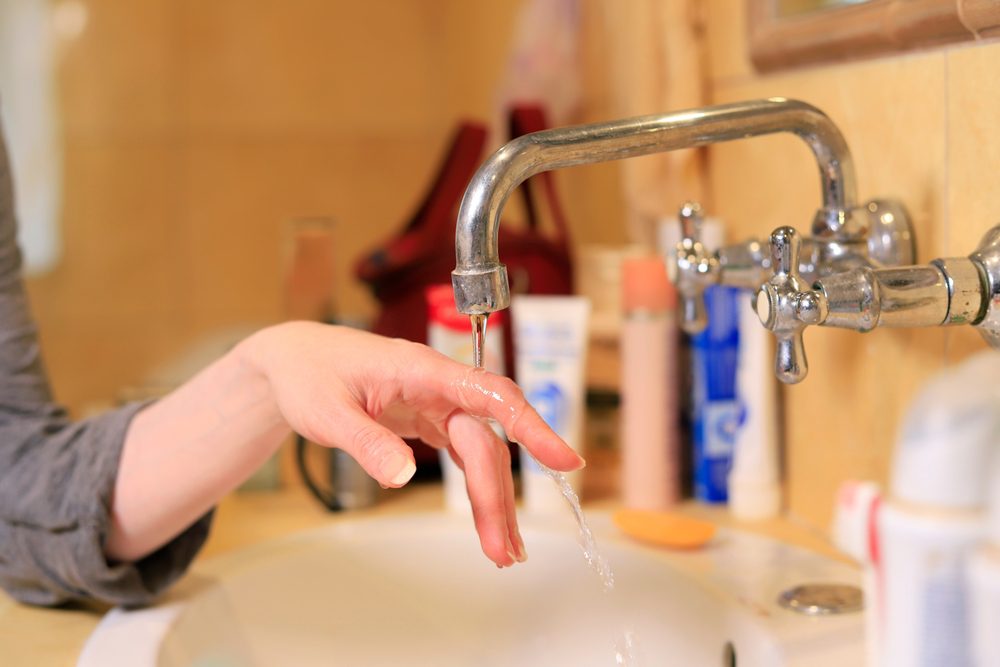
Low water pressure can turn simple daily routines into frustrating experiences. Showers lose their comfort, washing dishes takes longer, and appliances that rely on a steady water supply may not perform as expected. While many homeowners assume low pressure is simply an inconvenience, it can also be an early sign that something within the plumbing system requires attention.
The challenge is that low water pressure rarely has a single cause. Sometimes the issue is isolated to one fixture, but when it affects the entire home, the source is often more complex. Identifying the cause early can help prevent larger plumbing issues while restoring your home’s comfort and efficiency.
Understanding How Water Pressure Works
Water pressure is the force that moves water through your home’s plumbing system. Every faucet, showerhead, toilet, dishwasher, and washing machine depends on adequate pressure to function properly.
Most residential systems are designed to operate within a range that provides consistent water flow without placing unnecessary stress on pipes and fixtures. When pressure suddenly drops throughout the house, something is interfering with that balance.
The problem may originate inside the home, somewhere along the property’s plumbing lines, or even within the municipal water supply. Understanding the potential causes makes it easier to determine when professional assistance is necessary.
A Hidden Leak Can Reduce Pressure Throughout the Home
One of the most common causes of whole-house pressure loss is a plumbing leak.
Leaks do not always create obvious puddles or visible water damage. Many develop behind walls, beneath floors, inside crawl spaces, or underground where they remain unnoticed for weeks or even months.
As water escapes through the damaged section of pipe, less water reaches the fixtures throughout the home. Depending on the size and location of the leak, homeowners may also notice higher water bills, damp areas around the property, or the sound of running water when no fixtures are in use.
The Environmental Protection Agency estimates that household leaks waste nearly one trillion gallons of water nationwide each year, making leak detection an important part of maintaining an efficient plumbing system.
Mineral Buildup Inside Pipes
In areas with hard water, naturally occurring minerals gradually accumulate inside plumbing pipes.
Over time, calcium and magnesium deposits narrow the interior of the pipe, reducing the amount of water that can pass through. Unlike a sudden blockage, mineral buildup develops slowly, meaning homeowners often adjust to declining water pressure without realizing how much performance has changed.
Older galvanized steel pipes are especially vulnerable because corrosion and mineral deposits can combine to significantly restrict water flow.
The same buildup can also affect faucet aerators and showerheads, although widespread pressure loss usually indicates the restriction exists deeper within the plumbing system rather than at individual fixtures.
Aging Plumbing Systems
Many homes continue operating with plumbing systems that are decades old.
Although pipes are built to last for many years, every plumbing material has a practical lifespan. Corrosion, internal deterioration, and years of daily use gradually reduce their performance.
Older galvanized steel pipes are particularly susceptible to corrosion that restricts water flow. Even copper and other modern materials can eventually develop wear that contributes to pressure loss.
If a home experiences frequent plumbing issues alongside declining water pressure, the condition of the piping itself may deserve closer evaluation.
Pressure Regulator Problems
Not every home has a pressure regulator, but many modern plumbing systems include one.
This device controls the water pressure entering the home from the municipal supply. When functioning correctly, it helps maintain consistent pressure that protects plumbing fixtures and appliances.
However, regulators can wear out over time.
A failing regulator may cause:
- Noticeably low water pressure throughout the house
- Sudden fluctuations between high and low pressure
- Changes in water flow without any obvious cause
Because pressure regulators affect the entire plumbing system, problems often appear at every fixture rather than a single faucet or shower.
Municipal Water Supply Issues
Sometimes the plumbing inside the home is functioning perfectly.
Temporary water pressure reductions can occur when municipalities perform maintenance, repair water mains, or experience unusually high community demand.
Construction projects, hydrant testing, and emergency repairs may temporarily affect neighborhoods until normal service resumes.
If nearby neighbors are experiencing the same issue, contacting the local water utility may help determine whether the problem originates outside your property.
Partially Closed Shut-Off Valves
Another possible cause of reduced water pressure is a valve that isn’t fully open.
Homes typically have a main shut-off valve where the water supply enters the house, along with a water meter valve that may be operated by the utility company. If either valve is only partially open after recent plumbing work, maintenance, or an emergency shutoff, water flow throughout the home can become noticeably weaker.
This issue is relatively simple to correct, but homeowners should avoid adjusting utility-owned valves on their own. If there is any uncertainty about the position or condition of the valves, having them inspected is the safest approach.
Distinguishing Fixture Problems From Whole-Home Issues
Before assuming the entire plumbing system is affected, it helps to determine whether the problem exists at every fixture or only in one location.
A single slow faucet or showerhead is often caused by a clogged aerator, mineral buildup, or a worn fixture component. These localized issues are generally easier to resolve and don’t necessarily indicate a larger plumbing concern.
However, when every sink, shower, and appliance experiences weak water flow, the problem is more likely to involve the home’s main plumbing system. This distinction is one of the first steps professionals use when narrowing down the source of pressure loss.
Water Main Problems
In some situations, the issue may involve the main water line that connects the property to the municipal supply.
Underground water mains can develop leaks, cracks, or damage from shifting soil, tree roots, freezing temperatures, or age. Because these pipes deliver water to the entire home, any restriction or leak can reduce pressure at every fixture.
Water main issues often develop gradually, although significant damage may cause a sudden and noticeable decline in water pressure. Depending on the location of the problem, homeowners may also notice unusually wet areas in the yard, unexplained increases in water bills, or persistent damp spots near the service line.
How Professionals Diagnose Low Water Pressure
Finding the cause of whole-home water pressure loss requires more than simply looking at the fixtures.
A thorough evaluation typically begins with checking water pressure levels and inspecting visible plumbing components. From there, a technician may examine shut-off valves, pressure regulators, exposed piping, and signs of hidden leaks. If necessary, additional testing can help determine whether the issue lies within the home’s plumbing or originates from the municipal water supply.
Accurate diagnosis is important because several different problems can produce similar symptoms. Replacing fixtures or making unnecessary repairs without identifying the actual cause often leads to additional expense without solving the issue.
Preventing Future Water Pressure Problems
While not every plumbing problem can be prevented, routine maintenance can reduce the likelihood of unexpected pressure loss.
Homeowners can protect their plumbing systems by:
- Addressing small leaks promptly before they become larger problems.
- Flushing water heaters periodically to reduce sediment buildup.
- Watching for gradual changes in water pressure instead of waiting for complete failure.
- Scheduling periodic inspections, particularly in older homes with aging plumbing systems.
Preventive maintenance helps identify developing issues early, allowing repairs to be made before they affect the entire home.
When to Schedule Professional Assistance
If low water pressure continues despite checking obvious causes, or if the problem affects multiple fixtures throughout the house, it’s time to consider professional plumbing services.
Ignoring reduced water pressure can allow hidden leaks, pipe deterioration, or failing components to worsen over time. What begins as an inconvenience may eventually lead to water damage, higher utility bills, or more extensive repairs.
Prompt evaluation provides a clearer understanding of the problem and allows homeowners to make informed decisions before conditions become more serious.
Why Experience Makes a Difference
Whole-home water pressure issues often have multiple possible causes, making accurate diagnosis essential. Experienced plumbing experts understand how different components of a plumbing system work together and know where to look when symptoms point to a larger issue.
Rather than relying on guesswork, a comprehensive inspection can identify the underlying cause and recommend repairs that address the problem directly. This approach helps restore reliable water flow while reducing the risk of recurring issues.
Restore Reliable Water Pressure With Mac Plumbing, Heating & Air
If you’re experiencing persistent low water pressure or other plumbing concerns, professional guidance can help identify the cause and recommend the right solution. Mac Plumbing, Heating & Air provides thorough inspections and dependable repairs to help homeowners restore consistent water flow and protect their plumbing systems for the long term.
Take the next step toward a more reliable plumbing system. Contact us today to schedule your service.