
Low water pressure can turn everyday plumbing tasks into a frustrating chore. Showers take longer, faucets produce a weak stream, and appliances that rely on steady water flow may not work as expected. Before assuming the entire plumbing system needs major work, there are several simple things homeowners can check.
Some causes are easy to address, such as a partially closed valve or buildup around a fixture. Others may point to a larger plumbing issue that requires further investigation. Knowing where to start can help you boost water pressure safely while avoiding unnecessary repairs. If the issue appears to involve the home’s main water supply, understanding the available residential plumbing services can also help identify the right next step.
1. Check the Main Water Shutoff Valve
The main shutoff valve controls water entering the home. If it has been partially closed after plumbing work, a renovation, or an emergency repair, the restriction can affect water flow throughout the house.
Locate the valve and check whether it is fully open. Some valves use a wheel that turns several times, while others use a lever that should generally be aligned with the pipe when open. Do not force a valve that is stuck or difficult to turn, since an old valve may be damaged by excessive pressure.
If the valve appears fully open but the home’s water flow remains weak, the cause is likely somewhere else in the system.
2. Clean Faucet Aerators
A faucet may have normal pressure at the supply line but still produce a weak stream because its aerator is clogged. Aerators are small screens installed at the end of many faucets, and they can collect mineral deposits, sediment, or debris over time.
Unscrew the aerator and inspect the screen. Soaking removable components in an appropriate cleaning solution can help loosen mineral deposits. Rinse the pieces thoroughly before reinstalling them.
This is especially worth checking if only one faucet has weak flow while other fixtures throughout the home appear normal.
3. Inspect Your Showerhead
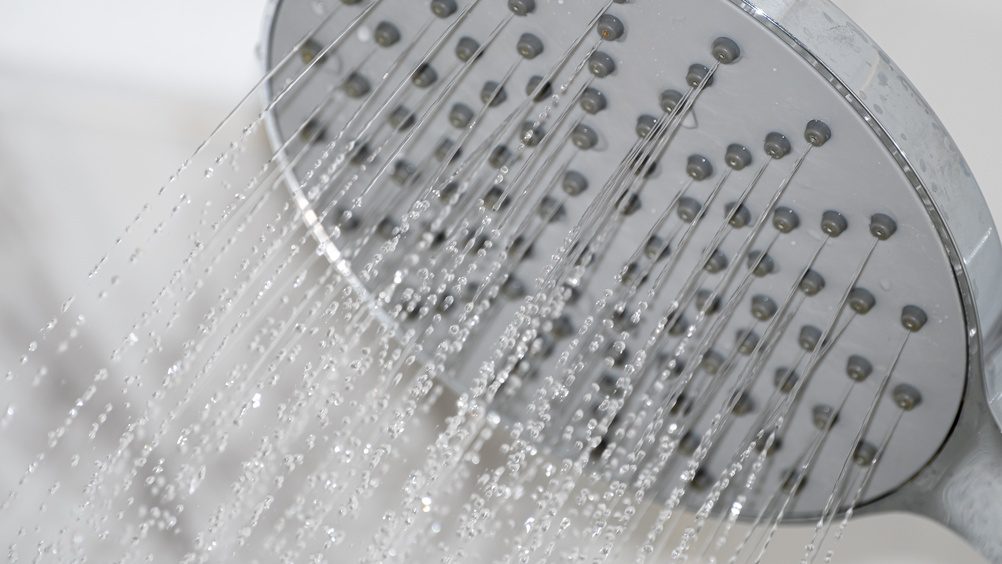
Showerheads can develop mineral buildup that restricts the openings where water exits. The result may feel like poor pressure even when the plumbing supplying the fixture is functioning normally.
Remove the showerhead if possible and inspect the spray openings. Mineral deposits can sometimes be loosened through soaking and cleaning. If the showerhead is heavily clogged or damaged, replacement may be simpler than continued cleaning.
If cleaning or replacing the fixture does not improve the flow, the problem may be farther back in the plumbing system.
4. Look for a Partially Closed Valve
Individual fixtures and plumbing equipment may have their own shutoff valves. A valve beneath a sink, behind a toilet, or near another fixture can sometimes be left partially closed after maintenance.
Check accessible valves and make sure they are fully open. Avoid turning valves aggressively, particularly if they are old, corroded, or difficult to operate.
This is a useful first step when the pressure problem affects only one fixture rather than the entire home.
5. Check for Leaks
A leak can reduce the amount of water reaching fixtures, particularly when it occurs along a supply line. Some leaks are obvious, while others can occur behind walls, beneath floors, or in less accessible areas.
Look for damp cabinets, unexplained puddles, water stains, unusually wet areas, or sounds of running water when fixtures are turned off. A sudden change in pressure combined with an unexplained increase in water usage deserves attention.
A concealed leak should not be ignored simply because the water pressure issue seems minor. Water escaping from a damaged pipe can eventually cause much more extensive property damage.
6. Consider Mineral or Sediment Buildup
Minerals and sediment can accumulate inside plumbing components and restrict water flow over time. This can affect faucet aerators and showerheads, but buildup may also occur farther inside the plumbing system.
Older homes can be particularly difficult to diagnose because the condition of the piping may vary throughout the property. If cleaning individual fixtures does not resolve the issue, the restriction may require a closer evaluation.
Water quality can also play a role. Homes with hard water may experience mineral deposits around plumbing fixtures and water-using equipment, which can gradually affect performance.
7. Check the Pressure Regulator
Some homes use a pressure-reducing valve or regulator to control incoming water pressure. If this component becomes worn or develops a problem, it can affect water flow throughout the property.
Because the regulator is part of the home’s water supply system, adjusting or replacing it without understanding the system’s normal pressure can create additional problems. Excessively high pressure can damage plumbing components, while pressure that is too low can make fixtures difficult to use.
If basic fixture checks do not resolve the issue, the pressure regulator and other components of the incoming water supply may need to be evaluated.
8. Have Persistent Problems Evaluated
Simple troubleshooting can resolve some water pressure problems, but not every cause is something homeowners should attempt to correct themselves. Persistent low pressure throughout the property may indicate an issue with the supply line, valves, regulator, plumbing piping, or another part of the water distribution system.
Pay attention to when the problem occurs. If pressure drops only when several fixtures operate simultaneously, the system may have limitations that are different from a situation where one fixture has weak flow all the time.
A plumbing evaluation can help determine whether the issue is isolated to a fixture or connected to the home’s larger water supply.
When Should You Be Concerned About Low Water Pressure?
Not every change in water pressure signals a serious plumbing problem. A clogged aerator or showerhead can usually be addressed without major work. However, a sudden or widespread drop deserves more attention, particularly when it occurs alongside other symptoms.
Homeowners should pay attention to:
- A sudden loss of pressure throughout the home
- Pressure that changes dramatically from one fixture to another
- Water stains, damp areas, or unexplained moisture
- Noisy pipes or unusual sounds when fixtures operate
- Pressure that drops significantly when multiple fixtures are used
- Recurring problems after cleaning or replacing fixtures
- Changes in water usage without an obvious explanation
The pattern of the problem can provide useful clues. A single weak faucet often points toward the fixture itself, while weak flow throughout the property suggests looking farther upstream.
Can High Water Pressure Cause Problems?
Improving water pressure does not mean increasing it as much as possible. Excessively high pressure can put unnecessary stress on plumbing fixtures, appliances, valves, and supply lines.
The goal is consistent, appropriate water pressure rather than simply achieving the strongest possible flow. If pressure seems unusually high in some parts of the home and low in others, the system may need to be evaluated rather than adjusted blindly.
This is particularly important when a pressure regulator is involved. Changing the setting without knowing the system’s actual pressure can create new plumbing issues instead of solving the original one.
Frequently Asked Questions About Home Water Pressure
Why Is My Water Pressure Low Throughout the House?
Whole-home pressure issues can have several causes, including a partially closed main valve, problems with a pressure regulator, supply-line restrictions, leaks, or other plumbing issues. Because several components can produce similar symptoms, checking the pattern and timing of the pressure loss is useful when determining the cause.
Why Does Only One Faucet Have Low Water Pressure?
When one fixture has poor flow while the rest of the home operates normally, the problem is often closer to that fixture. A clogged aerator, blocked supply line, or partially closed shutoff valve can restrict flow without affecting other faucets.
Can a Dirty Showerhead Cause Low Pressure?
Yes. Mineral deposits and sediment can restrict the small openings in a showerhead and reduce the amount of water coming through. Cleaning or replacing the showerhead may restore normal flow when the fixture itself is the source of the restriction.
Should I Adjust My Water Pressure Regulator Myself?
It is better to determine why the pressure is low before making adjustments. A regulator that is malfunctioning may need service or replacement, while another plumbing issue may be responsible for the symptoms. Increasing pressure without identifying the cause can potentially place unnecessary stress on the plumbing system.
When Should a Plumber Check My Water Pressure?
Consider having the system evaluated when pressure remains low after basic fixture checks, suddenly drops throughout the home, changes significantly when multiple fixtures operate, or occurs alongside signs of leaks or other plumbing problems. A broader evaluation can help identify whether the cause is isolated or system-wide.
Get Better Water Flow With Mac Plumbing Heating & Air
Mac Plumbing Heating & Air has served Clarksville and surrounding Middle Tennessee communities since 1991. The company provides residential plumbing repair, replacement, and installation services and uses diagnostic equipment to evaluate plumbing concerns. It is locally owned and operated, licensed, and accredited.
Contact us today to get persistent water pressure issues evaluated and work toward more consistent water flow throughout your home.