
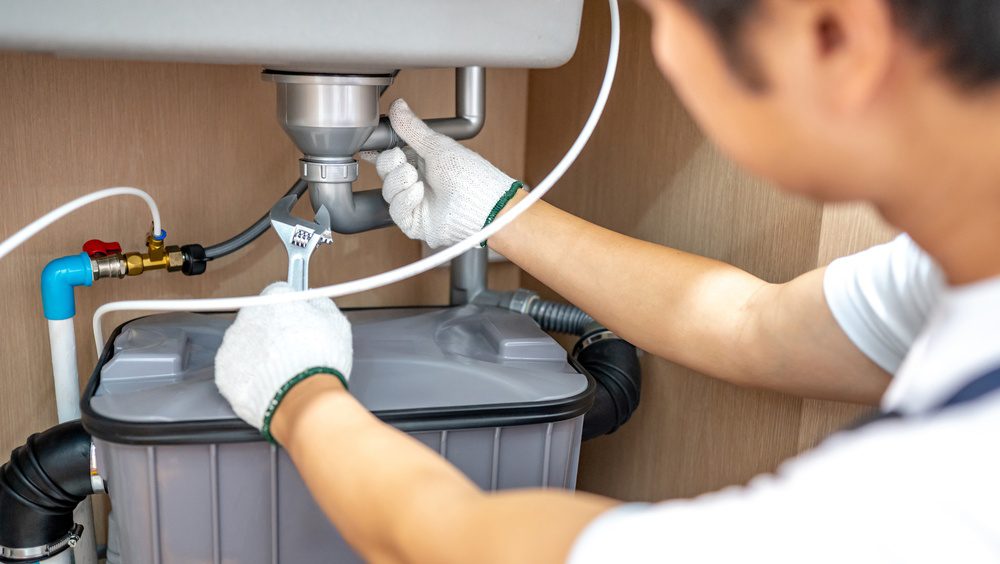
A grease trap plays an important role in protecting commercial drainage systems from fats, oils, and grease before they travel farther into the plumbing. When the trap becomes damaged, corroded, undersized, or repeatedly fails despite routine maintenance, replacement may be the more practical solution. Grease trap replacement can restore proper function while giving a property owner an opportunity to address underlying plumbing or sizing issues.
For restaurants, commercial kitchens, food-service facilities, and other properties that rely on grease management, knowing when replacement is appropriate can help prevent recurring drainage problems and unexpected disruptions. Related commercial plumbing services can also become important when the condition of the surrounding drainage system needs to be evaluated.
Signs Your Grease Trap May Need Replacement
Grease traps are exposed to demanding conditions over time. Regular contact with wastewater, grease, food particles, cleaning chemicals, and changing operating demands can eventually affect the trap itself and its connections. Some problems are relatively minor, while others indicate that the unit may be reaching the end of its useful service life.
Common warning signs include:
- Frequent backups even after the trap has been cleaned
- Persistent foul odors around the trap or connected fixtures
- Visible water, grease, or wastewater leaks
- Cracks, corrosion, or other structural deterioration
- Sinks and connected fixtures draining more slowly
- Repeated repairs to the same components
- A grease trap that no longer matches the property’s current usage
- Problems that return shortly after routine maintenance
These symptoms do not automatically mean a replacement is required. A blockage, maintenance issue, damaged connection, or problem elsewhere in the drainage system can sometimes produce similar symptoms. Evaluating the entire setup helps determine whether cleaning, repair, or replacement makes the most sense.
When Is Grease Trap Replacement the Better Option?
A grease trap can sometimes be repaired instead of replaced. For example, a problem with a connection or individual component may not justify removing the entire unit. However, extensive corrosion, structural damage, persistent leakage, or repeated failures can make continued repairs increasingly difficult to justify.
Another important consideration is whether the existing trap still suits the property. A restaurant or commercial kitchen may operate very differently today than it did when the original grease trap was installed. Additional sinks, new cooking equipment, higher food production, or changes to the kitchen layout can increase wastewater demands.
When problems keep returning, replacing the unit without identifying why it failed can simply transfer the same issue to a new installation. The condition of the existing plumbing, the trap’s capacity, its location, and the property’s current use should all be considered before a replacement is selected.
What Happens During a Grease Trap Replacement?
Replacement is more involved than simply disconnecting an old trap and installing another unit. The existing plumbing configuration and installation conditions can influence both the equipment selected and the work required.
Evaluating the Existing Grease Trap
The first step is understanding the condition of the existing system. The trap itself, connected piping, fittings, access points, and surrounding area can all provide clues about what caused the recurring problem.
A proper evaluation can also reveal whether drainage restrictions or damaged connections are contributing to poor performance. Addressing those conditions as part of the replacement process can help prevent the same problems from affecting the new system.
Choosing the Right Replacement
Grease traps are available in different sizes, configurations, and materials. The appropriate replacement depends on the property’s plumbing arrangement, available space, expected wastewater flow, and how the kitchen or food-service operation is used.
Matching the old unit exactly is not always the right approach. If the property’s demands have changed, the replacement should be evaluated according to current conditions rather than simply duplicating an older installation.
Removing the Existing Unit
Once the replacement plan is established, the existing trap must be disconnected and removed. The difficulty of this step depends on where the trap is located, its size, how accessible it is, and how the surrounding plumbing was originally installed.
Removal can also provide an opportunity to inspect connections and nearby piping that may not have been visible while the old unit was in place.
Installing and Checking the New System
The new trap is connected to the appropriate plumbing configuration and checked for proper drainage and operation. Connections should be evaluated carefully to help identify leaks or other installation concerns before the project is considered complete.
The property should also have a clear understanding of the maintenance requirements associated with the replacement system. Proper cleaning and routine care remain important even after a new trap has been installed.
Benefits of Grease Trap Replacement
Replacing an aging or damaged grease trap can improve system reliability and reduce recurring plumbing issues.
- Fewer recurring backups and drainage problems
- Reduced risk of leaks and structural failure
- Better grease separation and wastewater flow
- A better fit for current kitchen demands
- Less reliance on repeated repairs
- More predictable long-term maintenance
- Reduced risk of unexpected operational disruptions
Why Proper Grease Trap Sizing Matters
The size and configuration of a grease trap should correspond to the demands placed on the plumbing system. A trap that is not appropriate for the property’s wastewater flow may have difficulty separating grease effectively or may require more frequent attention.
This becomes particularly important when a commercial kitchen has changed since the original installation. Adding appliances, increasing food preparation, expanding operations, or modifying the plumbing layout can all affect the amount of wastewater entering the system.
Grease trap replacement provides an opportunity to reassess those conditions. Instead of assuming that the existing size remains appropriate, the replacement can be considered in relation to the property’s current operation and plumbing configuration.
Selecting an appropriate unit is not simply about choosing the largest available trap. The system needs to work with the surrounding plumbing and the actual demands of the property.
Problems With a Grease Trap Can Affect Connected Plumbing
A deteriorating grease trap can create problems beyond the trap itself. When fats, oils, and grease are not being separated effectively, more of that material can enter connected drainage piping.
Over time, grease accumulation can restrict the interior of drain lines and contribute to slow drainage or recurring backups. This can be particularly disruptive in a restaurant or commercial kitchen where sinks and other fixtures may be used continuously throughout the day.
Leaks can create another concern. Wastewater or grease escaping from a damaged trap or connection can produce unpleasant odors and create unsanitary conditions around the installation area.
Addressing a failing system before it reaches complete failure can also make planning easier. Rather than waiting for a major backup or leak to interrupt operations, property owners can evaluate the condition of the trap and determine what needs to happen next.
Grease Trap Replacement for Restaurants and Commercial Kitchens
Restaurants, cafeterias, institutional kitchens, and other food-service operations can place substantial demands on grease management systems. Dishwashing, food preparation, and cooking activities introduce fats, oils, grease, and food-related wastewater into the plumbing throughout the day.
For these properties, a failing trap can quickly become an operational issue. Slow drainage, recurring backups, strong odors, and leaks can affect kitchen workflow and create problems that extend beyond routine plumbing maintenance.
When replacement becomes necessary, the current operation should be part of the evaluation. A trap installed for a smaller or differently configured kitchen may no longer be appropriate after years of changes to equipment, production volume, or plumbing.
Planning the replacement around the property’s actual use can help avoid simply repeating an outdated installation.
Important Factors to Consider Before Replacement
Several conditions can influence the scope and planning of a grease trap replacement project. Understanding these factors ahead of time can make the process more predictable.
- Location and accessibility of the existing grease trap
- Condition of connected plumbing and fittings
- Size and configuration of the existing unit
- Current wastewater demands
- Changes to kitchen equipment or layout
- Signs of corrosion, cracking, or structural deterioration
- Potential drainage restrictions beyond the trap
- Access required to remove the old unit and install the replacement
- Scheduling considerations for an operating business
- Ongoing cleaning and maintenance requirements
The physical location deserves particular attention. Some grease traps are installed indoors near sinks or beneath floors, while larger systems may be located outdoors or underground. Accessibility can significantly affect how the existing unit is removed and how the replacement is installed.
For an operating restaurant or commercial facility, scheduling also matters. Understanding the expected work before replacement begins gives the business an opportunity to prepare for potential interruptions and coordinate the project around operating hours when possible.
Frequently Asked Questions About Grease Trap Replacement
How Do I Know If My Grease Trap Needs to Be Replaced?
Repeated backups, persistent odors, visible leaks, significant corrosion, structural damage, and frequent repair needs can all indicate that replacement should be considered. However, these symptoms can also result from cleaning or drainage problems, so the entire system should be evaluated before deciding on replacement.
Can a Grease Trap Be Repaired Instead of Replaced?
Yes, some grease trap problems can be repaired. The right approach depends on the condition of the trap, the type of damage, and whether the surrounding plumbing is contributing to the problem. When deterioration is extensive or failures continue after previous repairs, replacement may provide a more practical long-term solution.
Should the New Grease Trap Be the Same Size as the Old One?
Not necessarily. The original trap may have been appropriate when installed but may no longer match the property’s current wastewater demands. Changes to equipment, kitchen operations, or plumbing can affect what type and size of replacement is appropriate.
How Long Does Grease Trap Replacement Take?
The timeframe varies according to the type and size of the trap, its location, accessibility, surrounding plumbing, and the complexity of the installation. An evaluation of the existing system can provide a better understanding of the work involved before replacement begins.
Is It Better to Replace a Grease Trap Before It Completely Fails?
Waiting for complete failure can increase the likelihood of backups, leaks, odors, and operational disruption. If a trap is showing significant deterioration or repeatedly causing problems, evaluating it before a major failure occurs provides more opportunity to plan the replacement.
Give Your Grease Trap a Better Long-Term Solution With Mac Plumbing, Heating & Air
Mac Plumbing, Heating & Air has served Clarksville and the surrounding area since 1991 and provides residential and commercial plumbing repair, replacement, and installation services. We are locally owned and operated, and use diagnostic equipment when evaluating plumbing systems.
Contact us today to evaluate your grease trap and determine the right replacement approach for your commercial plumbing system.